Many people's first impression of bamboo is that it is lightweight, soft, and even feels like a temporary material
Many people’s first impression of bamboo is that it is lightweight, soft, and even feels like a temporary material. This view actually comes from an understanding of traditional bamboo weaving or original bamboo structures. However, modern industrial bamboo has completely changed the properties of bamboo. Our bamboo wall panels have undergone high-temperature and high-pressure densification treatment, and their hardness and strength exceed most commonly used hardwoods such as oak, maple, and walnut. It is not the kind of material that is easy to crack or deform as you imagine, but an engineering building material that can withstand heavy use and harsh environments.
The production process first cuts bamboo into slender fiber bundles
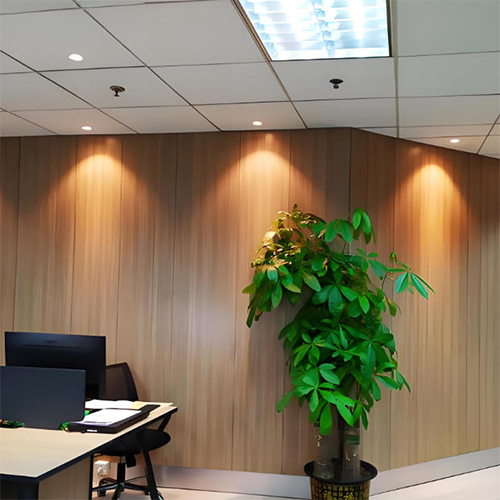
Our production process first cuts bamboo into slender fiber bundles, then dries them to a specific moisture content, and then carbonizes them at high temperatures. Carbonization not only gives bamboo boards a dark appearance, but more importantly, removes the sugar and starch inside the bamboo. If these components are retained, they will attract pests and mold. After carbonization, bamboo bundles are laid into slabs and combined with environmentally friendly resins under immense pressure. Pressure will make the bamboo fibers tightly adhere to each other, forming a dense board. The density of the final product can reach 0.9 to 1.1 grams per cubic centimeter, which is close to or even higher than some hardwoods. This high density endows bamboo wall panels with excellent impact resistance. You can try swiping with a key or coin on the surface, it won’t leave a trace easily. For public areas with high foot traffic, such as shopping mall corridors, restaurant lobbies, or office front desks, this wear-resistant feature is crucial.
The stability of bamboo wall panels is also excellent
The stability of bamboo wall panels is also excellent. The biggest problem with wood is that it can expand or contract with changes in humidity, leading to cracking, warping, or enlarged joints. Our bamboo boards undergo carbonization and high-pressure treatment to make the internal fiber structure more stable. We have conducted tests and found that the size change rate of bamboo wall panels after being placed in an environment with a humidity of 90% for 72 consecutive hours is less than 0.5%. In dry environments, such as winter rooms with underfloor heating, it will not shrink or create gaps. This stability allows bamboo wall panels to be installed in various climatic conditions, whether it is in hot and humid tropical regions or cold and dry northern regions, it can maintain its original state.
Waterproof performance is a key concern for many customers
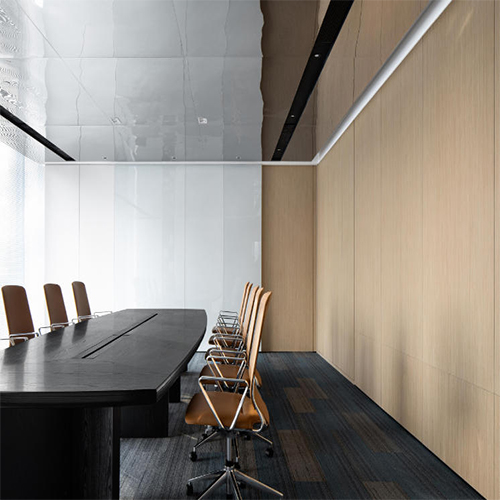
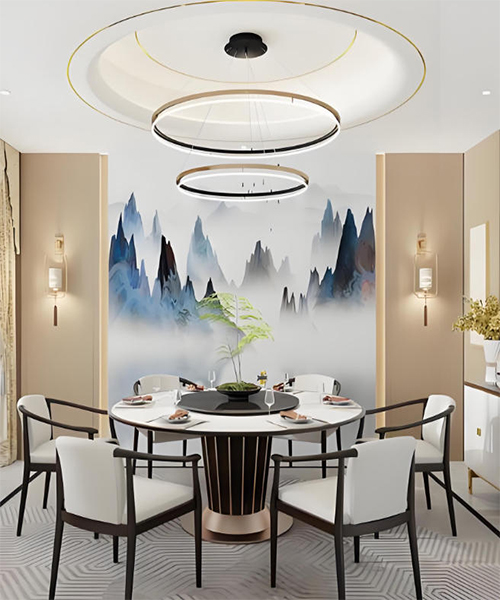
Waterproof performance is a key concern for many customers. Our bamboo wall panels are coated with multiple layers of UV cured coatings or water-based polyurethane coatings, which completely seal the tiny pores on the surface of the bamboo. Water droplets falling on the wall panel will form rolling water droplets that will not penetrate. Daily cleaning only requires wiping with a damp cloth, and stubborn stains can be removed with a neutral cleaner. If you plan to use bamboo wall panels for bathroom dry areas, kitchen splash walls, or outdoor shading areas, our outdoor series products have undergone additional weather resistance treatment. These products have added UV resistant ingredients to prevent discoloration or powdering caused by prolonged sun exposure. We also conducted cold and hot cycling tests on outdoor bamboo boards, alternating from minus 20 degrees Celsius to over 60 degrees Celsius, and the bamboo boards did not crack or delaminate.
Fire safety is also an indispensable part of construction
Fire safety is also an indispensable part of construction. Our bamboo wall panels have undergone flame retardant impregnation treatment and can meet the European standard B level or the American standard ASTM E84 Class A level. This means that in the event of a fire, bamboo boards will not burn quickly, nor will they release large amounts of thick smoke and toxic gases. This has bought valuable time for personnel evacuation and firefighting rescue. We can provide relevant fire test reports that meet the requirements of local building codes.
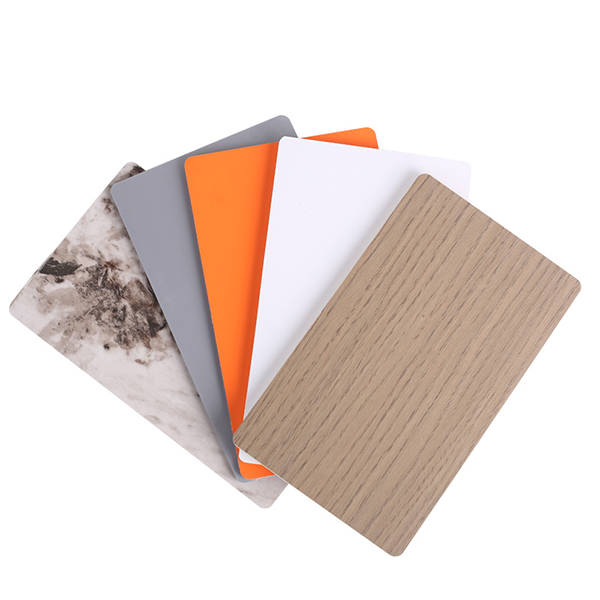
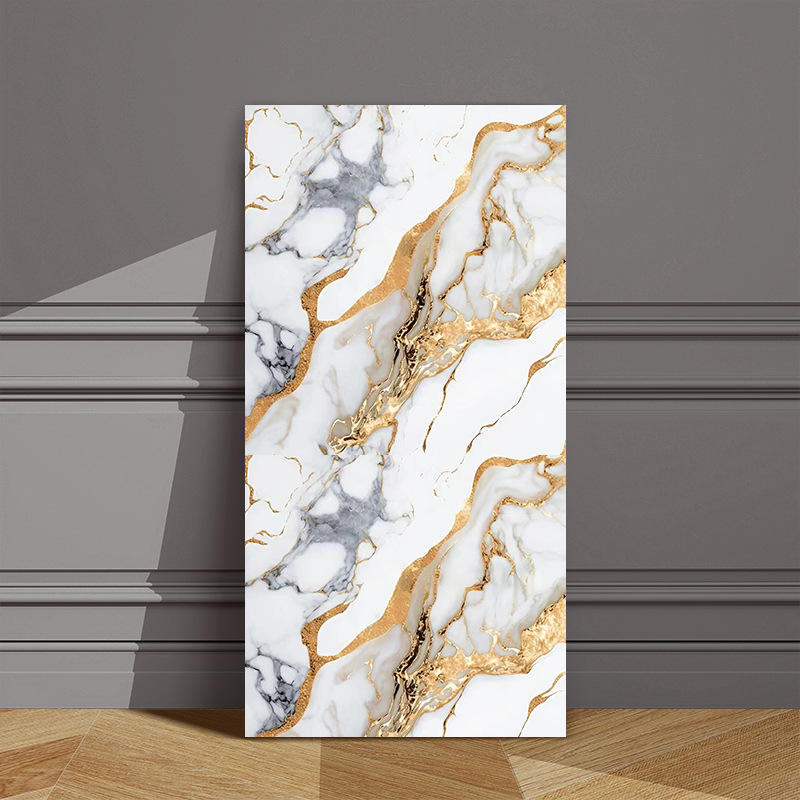
In terms of installation, our bamboo wall panels are designed with buckle systems or hidden screw systems, making construction fast and tidy
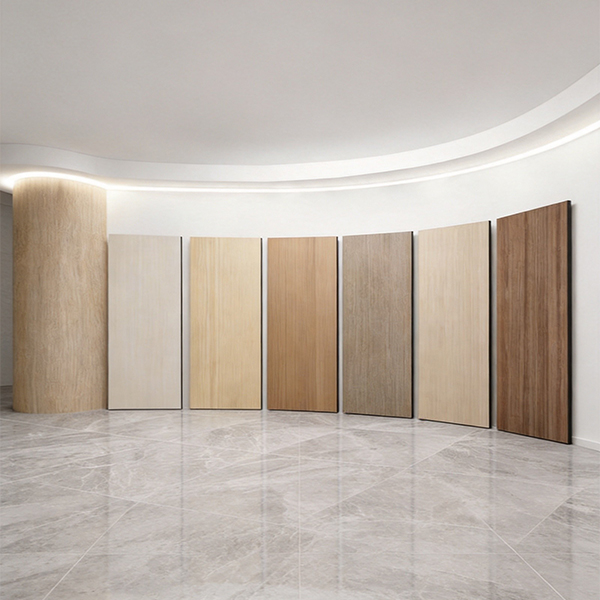
In terms of installation, our bamboo wall panels are designed with buckle systems or hidden screw systems, making construction fast and tidy. Ordinary woodworking tools can cut and install without the need for special equipment. We provide detailed installation manuals and video tutorials, so even construction teams who are new to bamboo boards can easily get started. There are various sizes to choose from for bamboo boards, ranging from narrow strips to wide boards, with thicknesses ranging from 12 millimeters to 25 millimeters. You can choose based on the wall structure and design effect. We can also customize the length to reduce on-site splicing and make the wall look more cohesive.
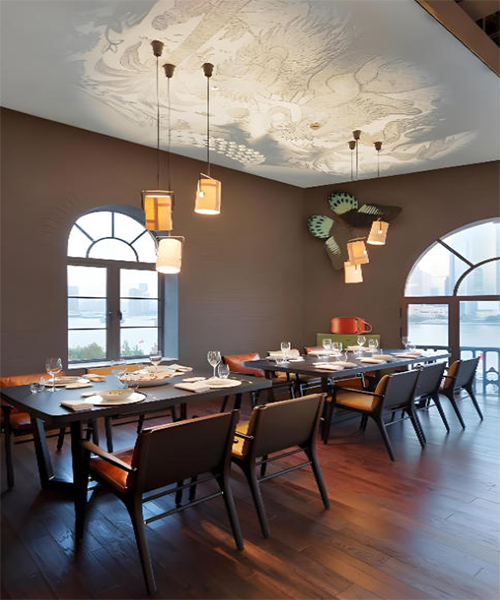
The maintenance cost of bamboo wall panels is very low
The maintenance cost of bamboo wall panels is very low. Unlike paint that needs to be repainted every few years, and unlike wallpaper that is prone to blistering or peeling, bamboo wall panels can maintain their beauty for ten to twenty years or more with a single installation. If there are slight scratches on the surface, they can be easily treated with wood wax oil or a repair pen. If used outdoors, it is recommended to check the coating once a year and apply local touch ups if necessary. Overall, bamboo wall panels are a worry free and labor-saving long-term investment.